


ALERT - Chinese Fishing Vessel Led Research Ship off Okinawa's Hateruma Island
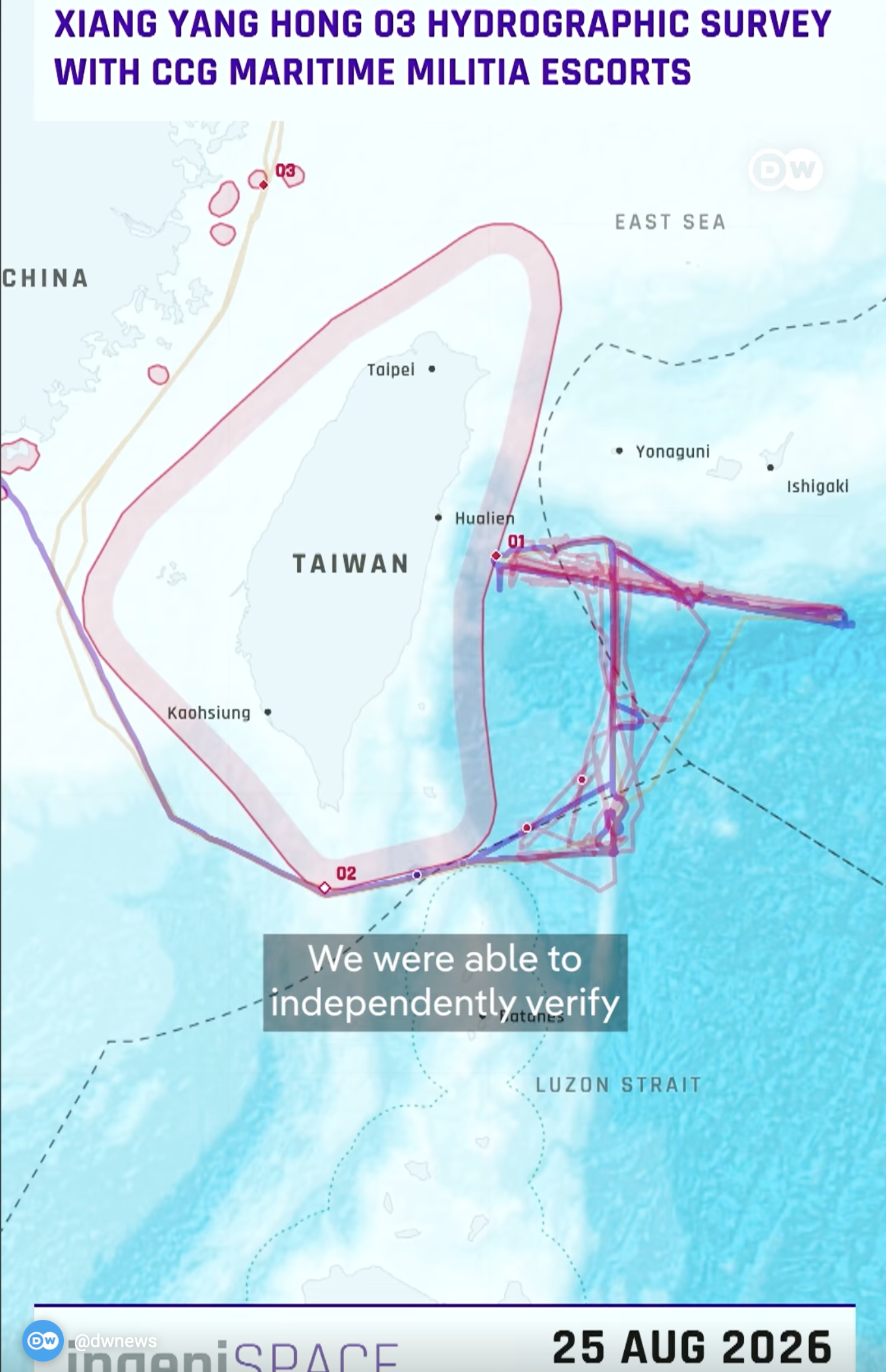
In August, a Chinese marine research ship was observed operating within Japan's Exclusive Economic Zone (EEZ) off Hateruma Island, trailing a wire-like object from its stern.
"ingeniSPACE," a US-based military research and analysis firm, analyzed the vessels' positional data and concluded that a Chinese fishing vessel, likely, PAF-Maritime Militia, was leading the research ship.
Are China's research vessels plotting a route to war? - DW News
China has, for the first time, publicly acknowledged that its research vessels are surveying disputed shoals in the South China Sea. Beijing says the ships are conducting scientific research. Critics say they're gathering data that could strengthen China's territorial claims and military capabilities. So what are these vessels really looking for?

3rd Annual International House Journalism Award -
Prof. Chisako Masuo’s research on China’s fishing-fleet mobilisation — work our analysis supported — was honoured in Japan’s I-House journalism awards.
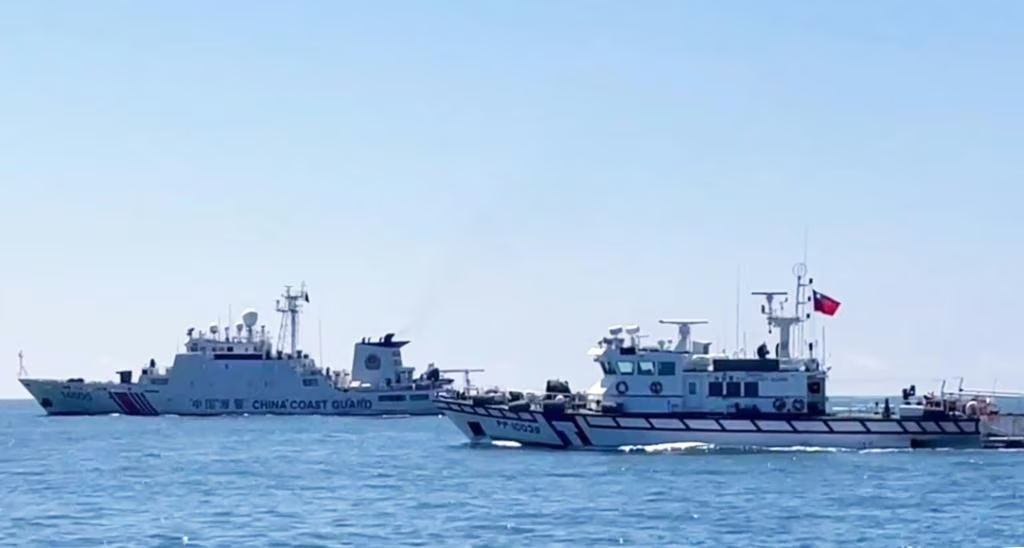
AFP China Deploys Record Number of Ships Around Taiwan as Pressure Grows
Taiwan's coast guard logged more Chinese government ships in its waters last month than in any month on record. Pressure has stopped being episodic.
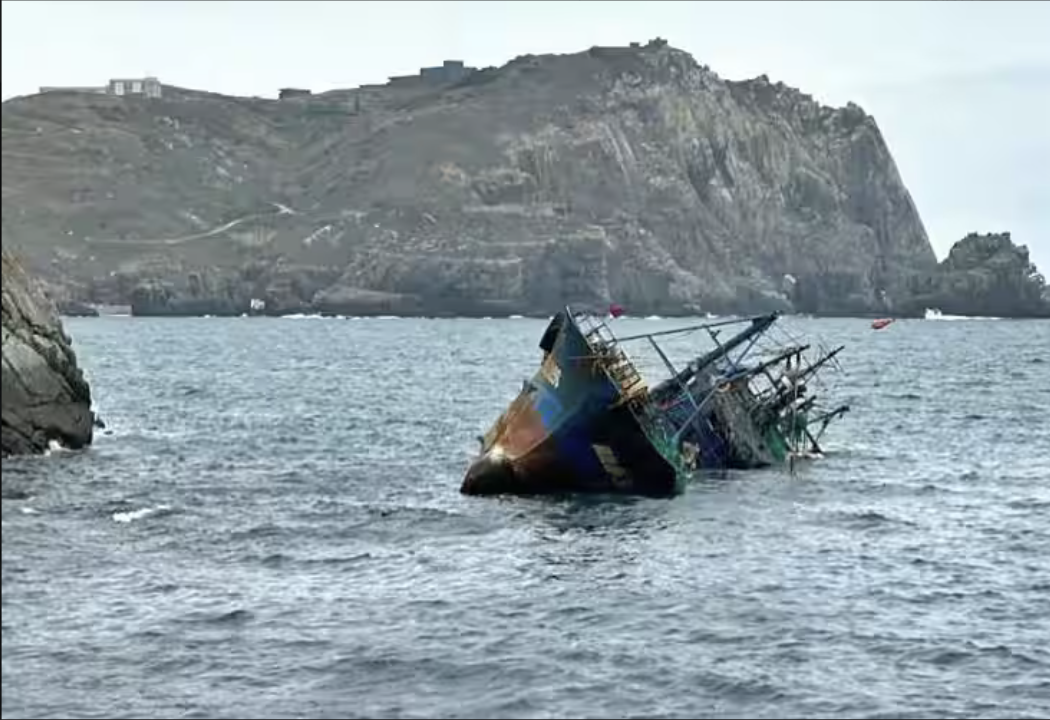
China Maritime Militia Tied to Taiwan Undersea Cable Damage in Suspected Gray-Zone Operation
Two vessels with documented maritime-militia training histories were present when the cable to Taiwan's outer islands went down. Not a coincidence.

This Sprawling Chinese Refinery Is Bankrolling Tehran
Hengli turns over more than $100bn a year and is now sanctioned for buying illicit Iranian crude. The teapot refinery layer is where sanctions fail.
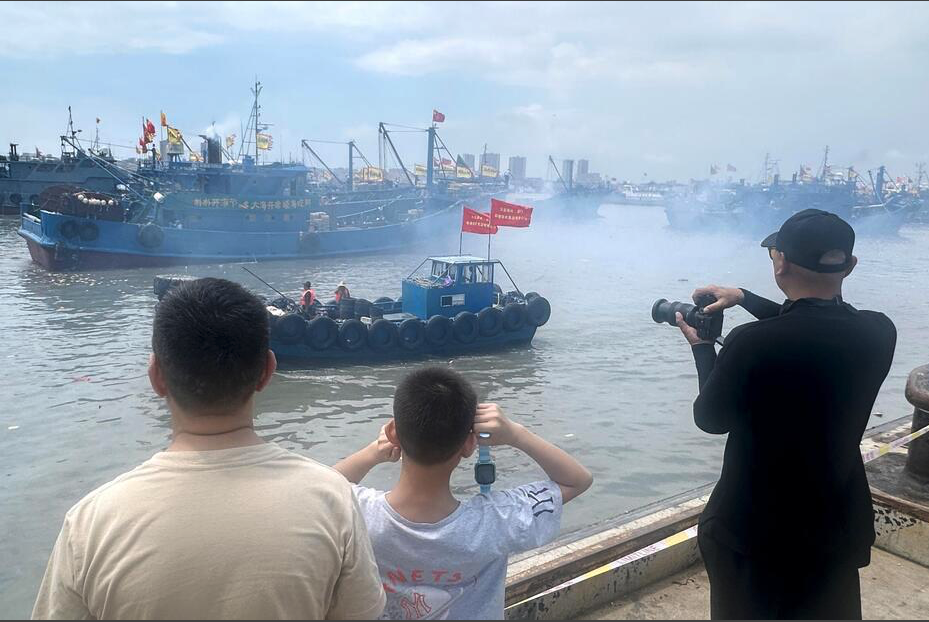
China Ends East China Sea Fishing Ban: Japan on High Alert Over Maritime Militia Risks - Kyodo News
China's East China Sea fishing ban has lifted and Japan is watching the fleet, not the catch. When the same hulls train, the season opens an operation.
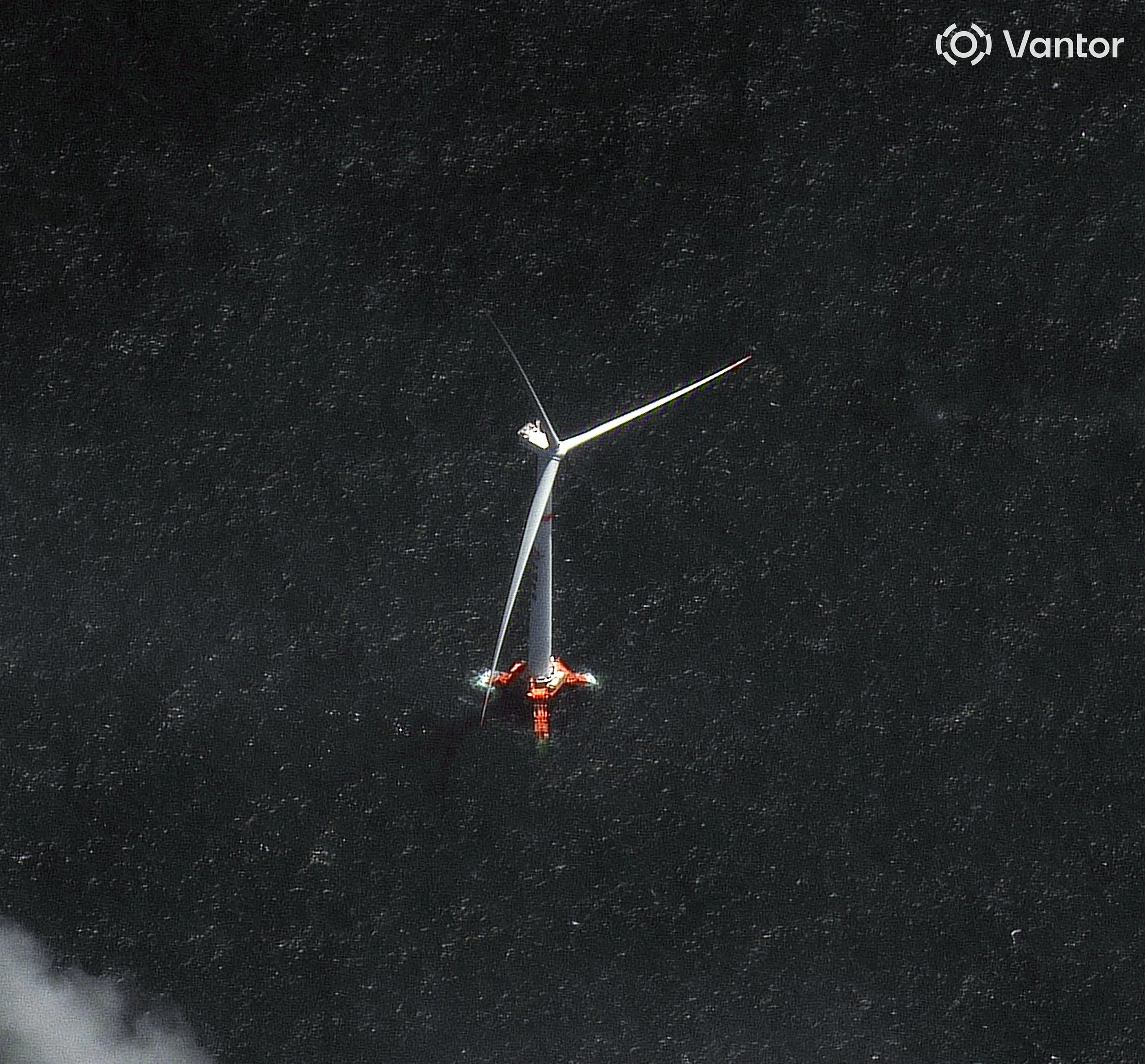
New Construction in Taiwan’s EEZ Demands a Closer Look —JAMESTOWN CHINA BRIEF
An operational CNOOC wind turbine now stands inside Taiwan's EEZ,. Celebrated by PRC media, the coverage uniformly neglected to mention one crucial detail: the Haiyou Anlan wind turbine has been installed in Taiwan’s exclusive economic zone (EEZ). This is not the first time.
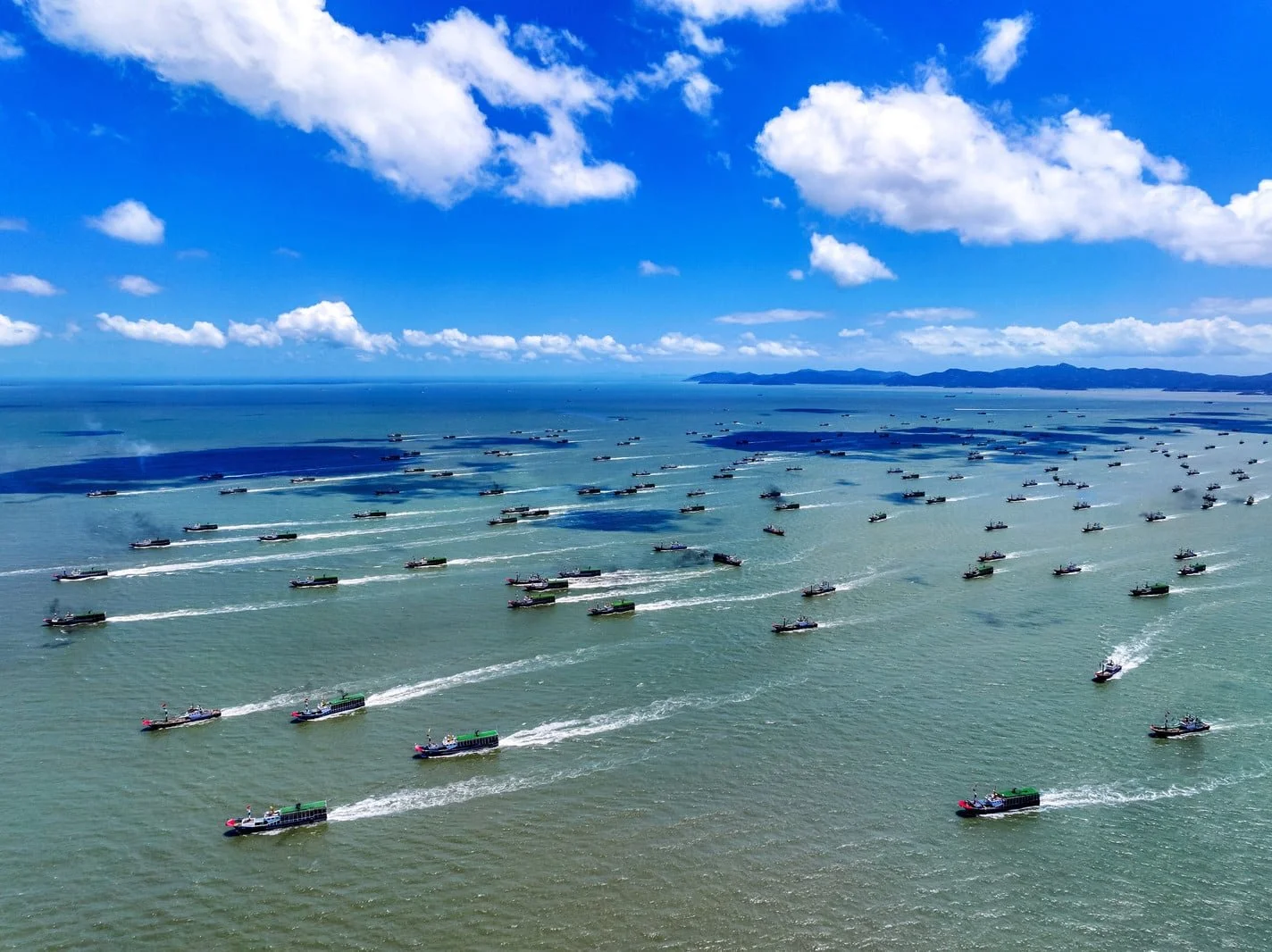
China’s “Shadow Fleet” Is Growing More Active at Sea - The Economist
Fewer aircraft, more maritime coercion. China's new normal around Taiwan is not de-escalation — it is a switch to the quieter instrument of pressure: China’s Maritime Militia. Moreover, the question was never whether the PLA has enough hulls. It is whether it can move, sustain and conceal a campaign in several places at once.
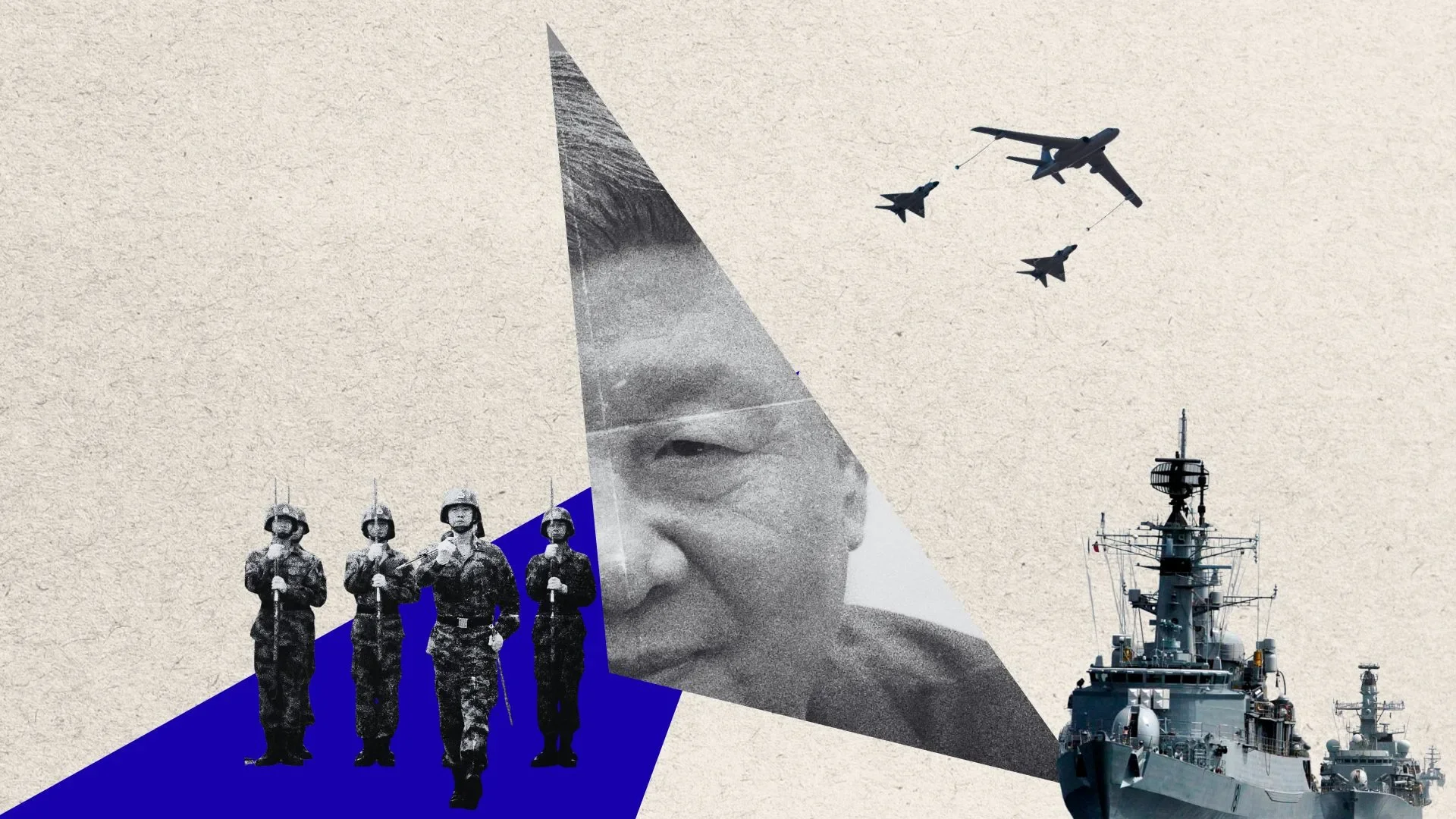
La «nueva normalidad» de China en torno a Taiwán: menos aviones y más coerción marítima
Fewer aircraft, more maritime coercion. China's new normal around Taiwan is not de-escalation — it is a switch to the quieter instrument of pressure.
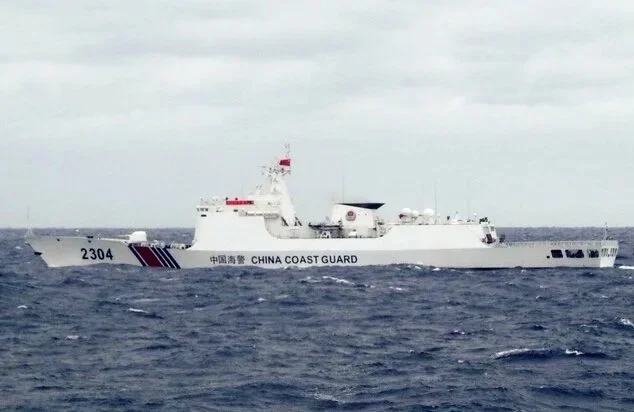
BREAKING: Chinese White-hulled Warships Escort Marine Survey in Taiwan, Japan and Philippine EEZs, Signaling a Challenge to First Island Chain
China Coast Guard ships have run "routine voyages" in Japan's EEZ south of Yonaguni since June. Calling it routine is how the precedent gets set.

RTI’s Taiwan Monitor: Tausend chinesische Fischerboote in Formation: China's Maritime Miliz
China's coast guard operates as an instrument of state power, not law enforcement. The manoeuvre east of Taiwan was aimed at Washington's allies too.
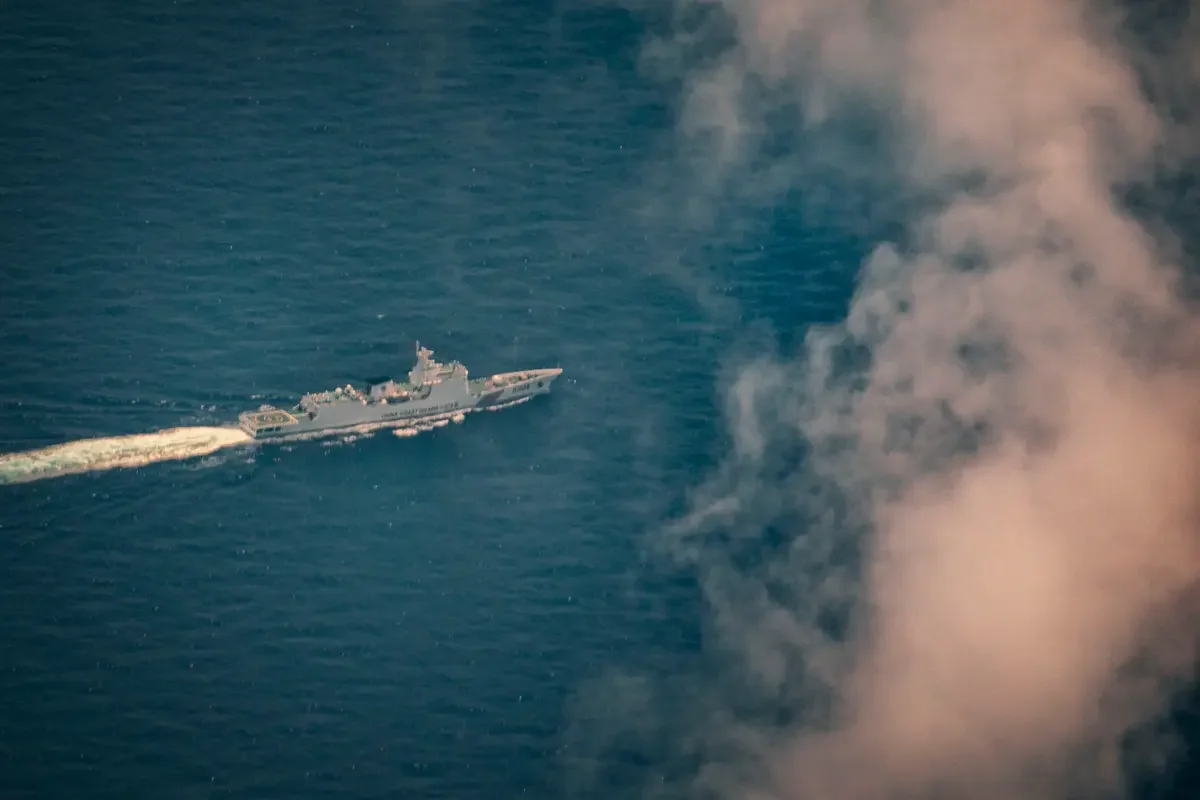
NZZ: China’s Coast Guard Is More Than a Police Force. It’s an Instrument of Power. Nur eine grosse Seepolizei? Nein, Chinas Küstenwache ist ein Instrument zur Machtausübung
China’s Coast Guard Is More Than a Police Force. It’s an Instrument of Power.
A #PRC Chinese Coast Guard vessel is maneuvering near #ScarboroughReef in the #SouthChina#Sea. Beijing's recent activities in the region are causing continued tensions.

CIMSEC - China Is Rehearsing More Than Amphibious Landings
Jason Wang and Marvin Bernardo on Sea Control 606, unpacking our Naval War College report: the PLA practiced landing in three places at once.
The invasion debate fixates on amphibious lift. The exercises point elsewhere: moving, sustaining and concealing a campaign across multiple locations.
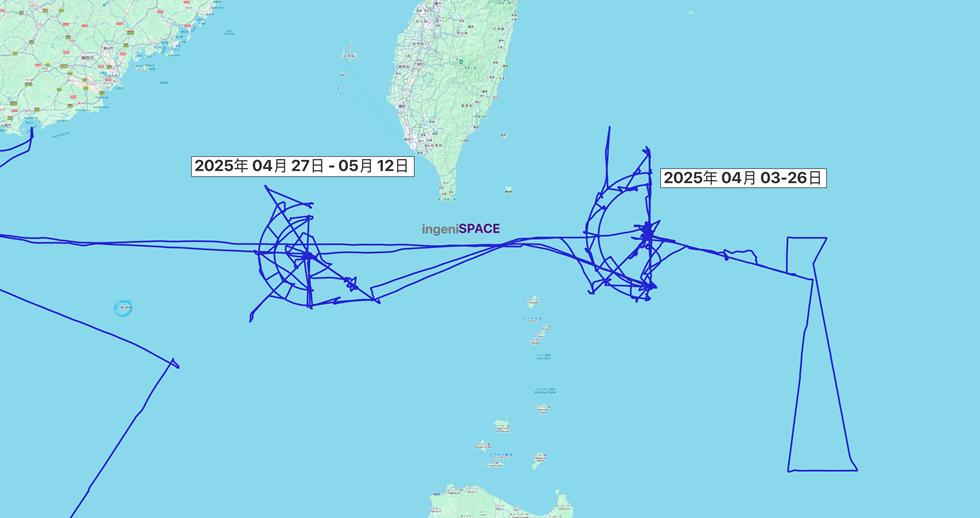
China’s Marine Survey Ships as a Security Challenge for Japan and the Region - Japan Institute for International Affairs (JIIA)
According to AIS data, the research vessel Zhong Shan Da Xue sailed through the South China Sea from May to June 2025. However, Sun Yat-sen University declared that the vessel was active in the South China Sea in August 2025, which contradicts the AIS data. The announcement stated that Sun Yat-sen University had conducted sea-trials of Haiqin, a remotely operated vehicle (ROV) capable of operating at depths of up to 6,000 meters, and that Zhong Shan Da Xue had deployed the Haidou-1 autonomous underwater vehicle (AUV) at the same time. This marked the first scientific survey conducted by coordinating two different unmanned vehicles via a single support ship14.

Satellite Evidence Shows PLA Exercises Are Moving From Demonstration Toward Rehearsal
On this episode of #SeaControl, I host Jason Wang and Marvin Bernardo to discuss their report, “Everything Everywhere All At Once: The Growing Complexity of PLA #Amphibious Exercises,” published by the U.S. Naval War College’s China Maritime Studies Institute (#CMSI).
![TAGESSCHAU: Warum Chinas „Fischerflotte“ plötzlich Mauern im Meer baut [Why China’s “fishing fleet” is suddenly building walls in the sea]](https://images.squarespace-cdn.com/content/v1/60bdda78c9bca3296685d761/1781078862234-HDRAL80POQKGF1M9YLR7/tagesschau+rabbit+hole+graphic.png)
TAGESSCHAU: Warum Chinas „Fischerflotte“ plötzlich Mauern im Meer baut [Why China’s “fishing fleet” is suddenly building walls in the sea]
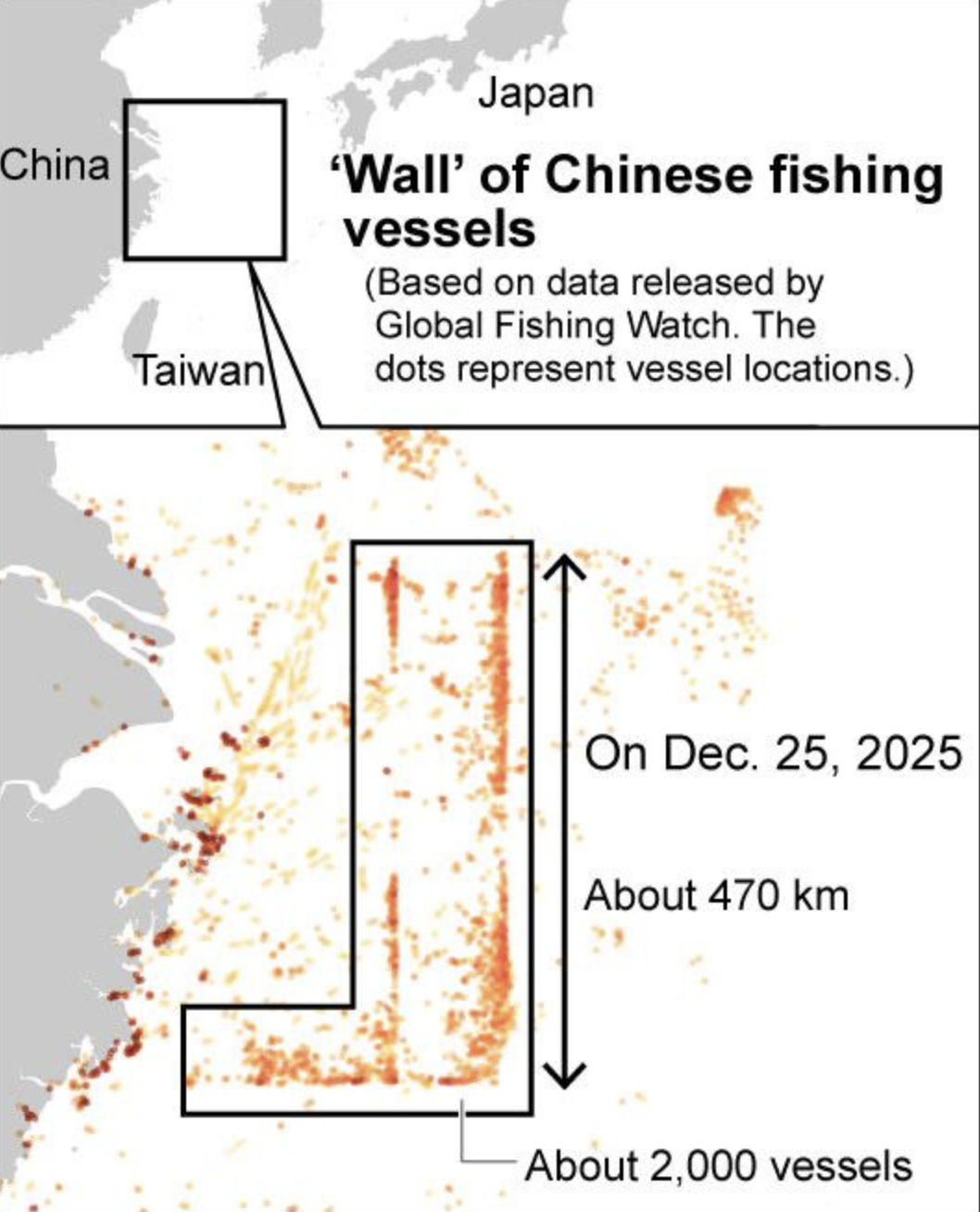
December, January, March — three times, hundreds of Chinese fishing boats formed lines at sea. Tagesschau asked the obvious question: were they fishing?
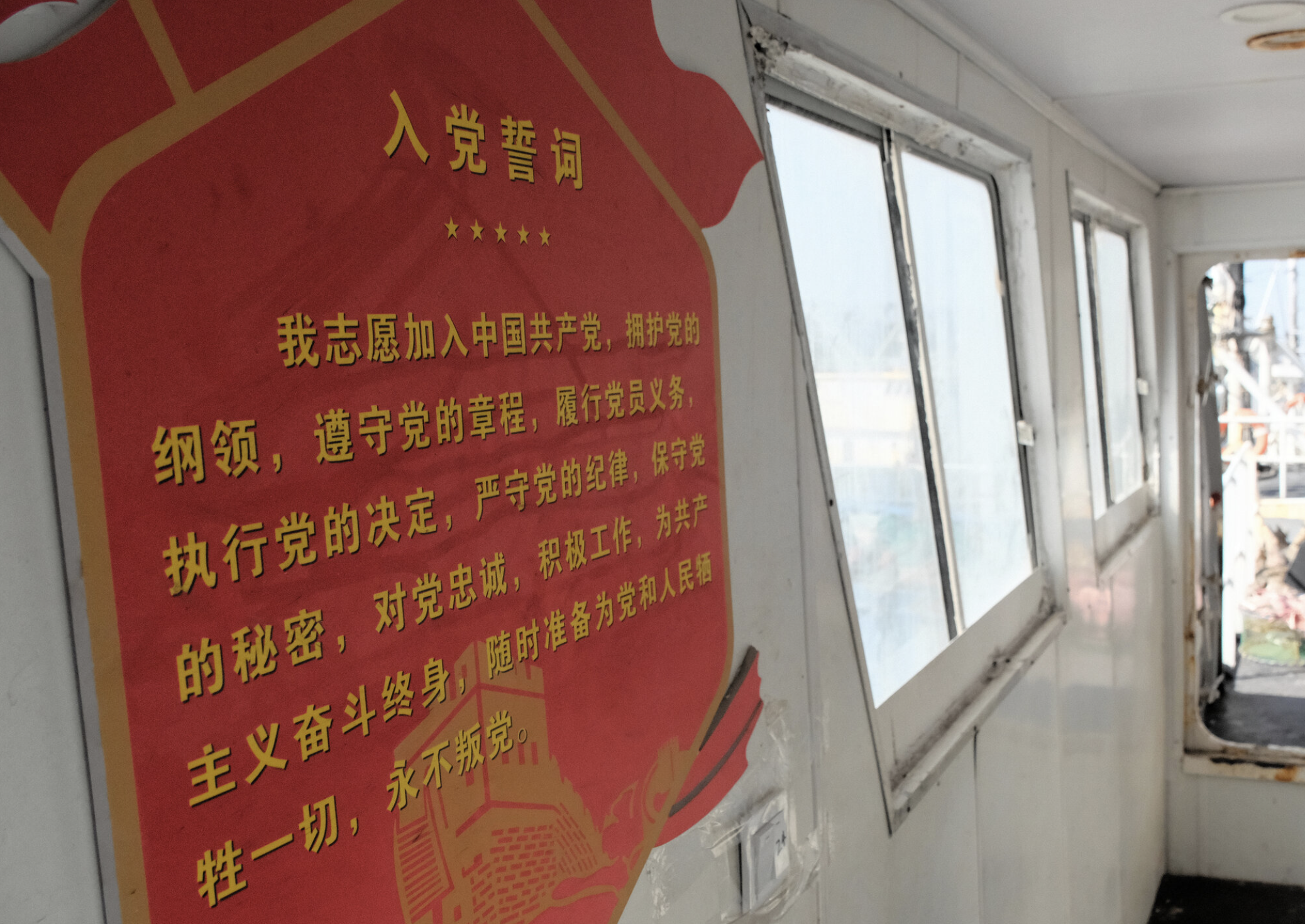
“I am a militiaman,” one captain, who leads a fleet, said. He allowed Asahi Shimbun reporters aboard his boat…
A fishing captain told Asahi's reporters he is a militiaman. Analysts put the maritime militia at 200,000–300,000. China’s ambiguity is irregular warfare
“I’m a Militia Member”: Tracking the Chinese Fishing Fleet That Forms a Maritime “Wall”
They said the quiet part out loud; we tracked what they did. AIS and imagery behind the maritime wall — how a line of boats becomes a barrier, and why it recurs.
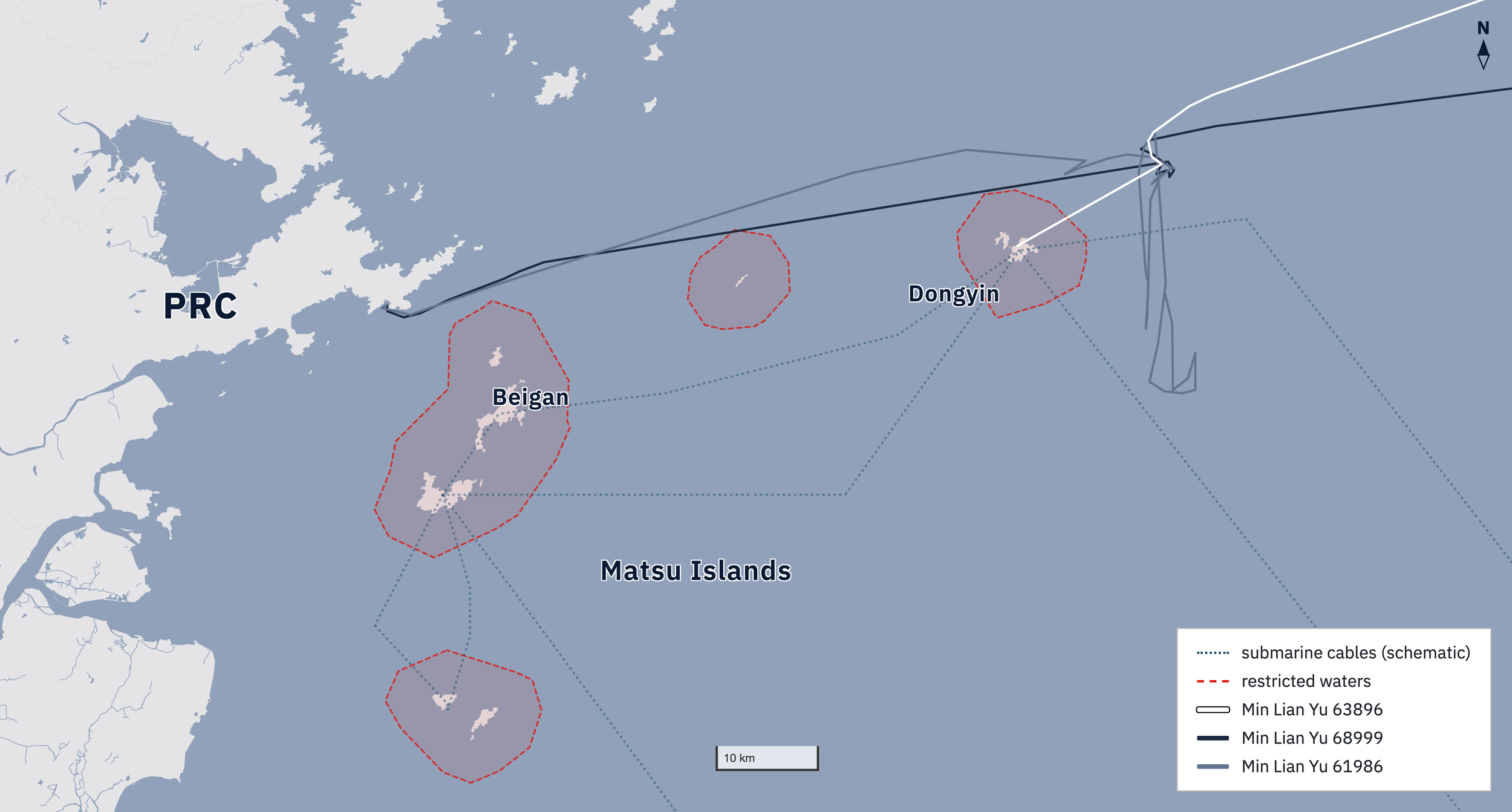
What Actually Caused the Latest Submarine Cut Near Taiwan?
Why use a warship when a fishing boat will do? Civilian hulls buy deniability, and each cable cut is small enough to absorb. That a feature not a bug. We spill the tea.
“China prefers ‘invisible hybrid warfare’ (隐形混合战) over kinetic warfare. Covert irregular warfare enables China the means to quietly overwhelm its targets not only physically but economically and politically as well – all without firing a shot. The use of civilian fishing vessels not only provide plausible deniability but legitimizes China’s claims and salami-slicing tactics as lawful and just.”