

China Just Tested Its Invisible Navy… And No One Noticed
Like Christmas Day, we woke to find a surprise - our work was being covered by a Youtuber.
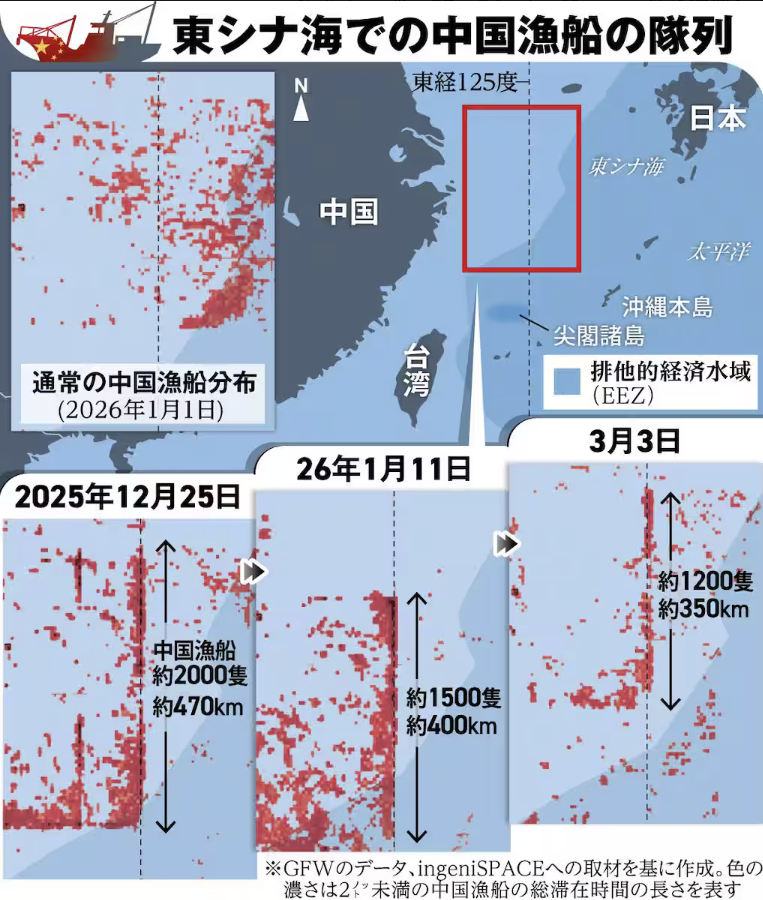
中国漁船1200隻、東シナ海で反転「L字型」隊列 3月1~3日、米国排除へ準備行動か
On March 1-3, Chinese Maritime Militia continued a new exercise in the East Sea, replicating recent mass mobilizations possibly time to send a message to the US and Japan
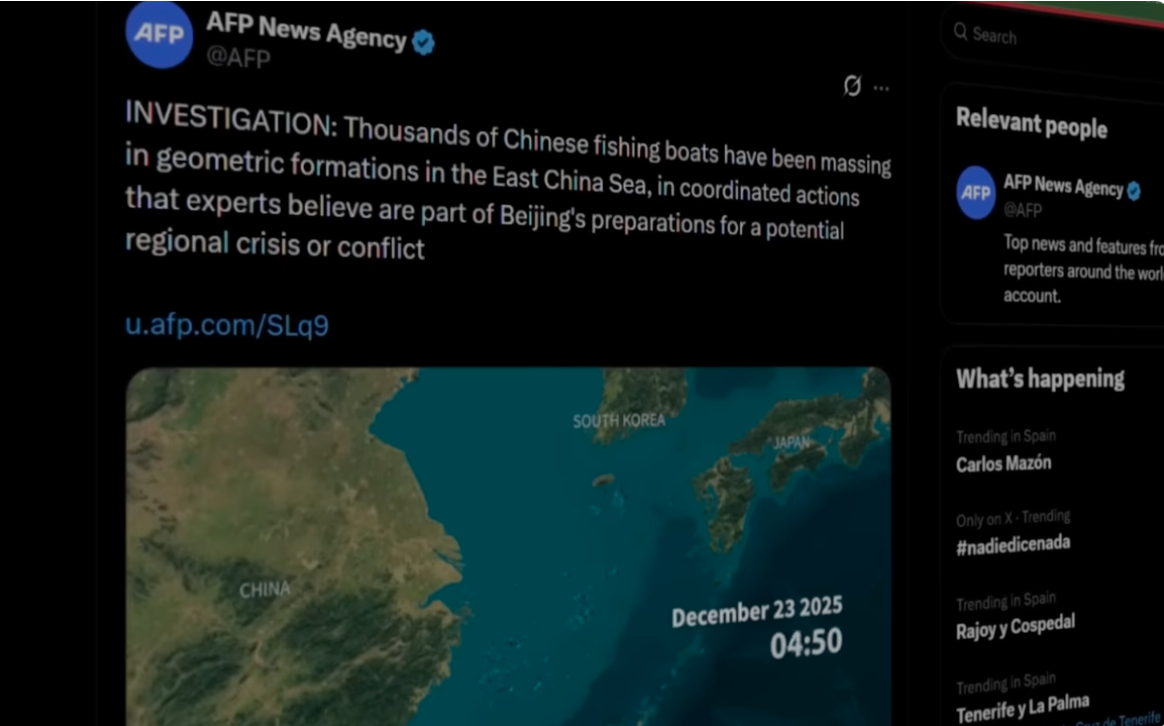
Thousands Of Chinese Boats Mass At Sea, Raising Questions
"We've seen like two, 300, up to a thousand (Chinese fishing boats congregate), but anything exceeding a thousand I thought was unusual."
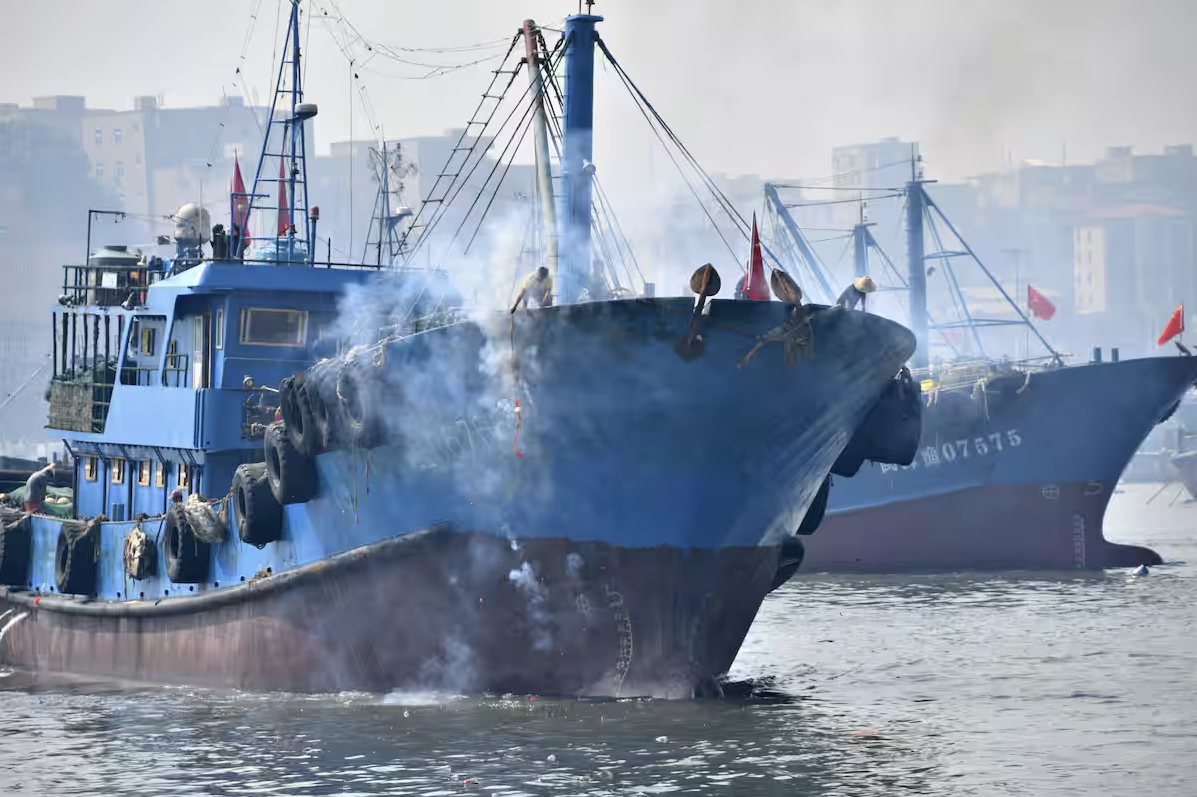
Maritime and military experts told AFP the massing of Chinese fishing boats on December 25, about 300 kilometres northeast of Taiwan, was on a scale they had never seen before.
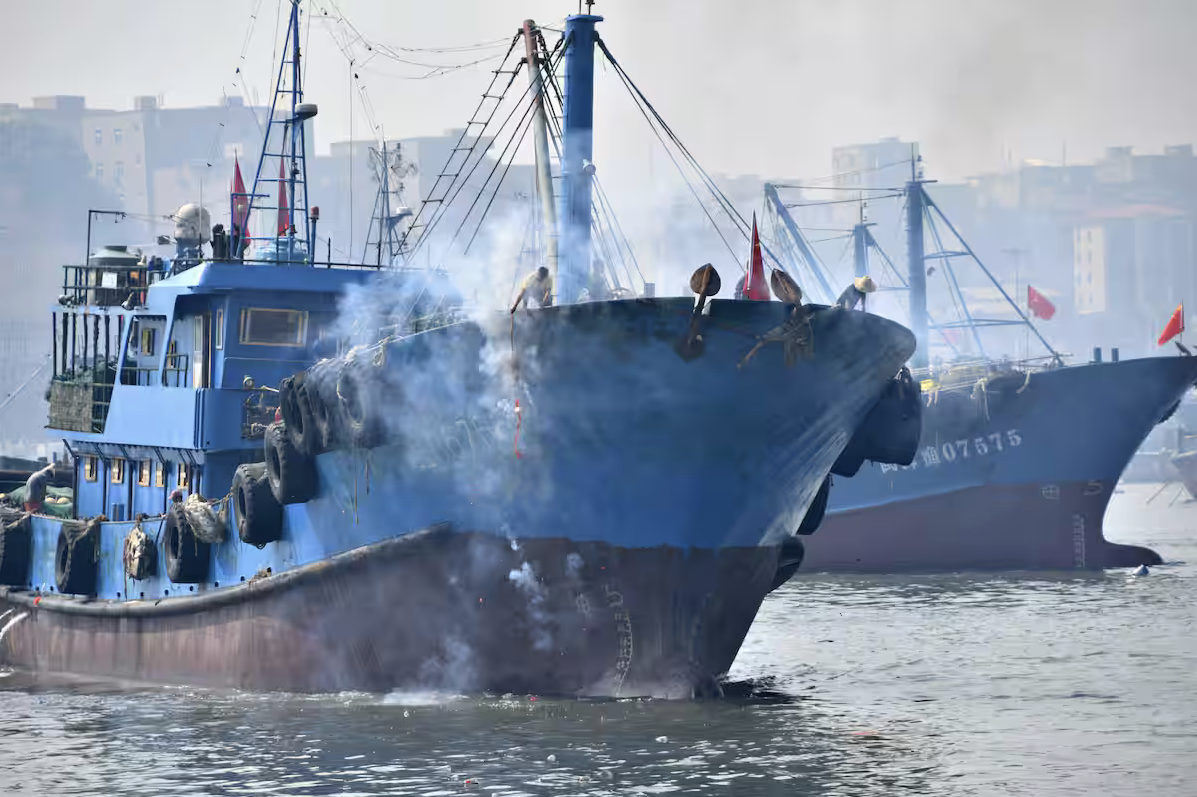
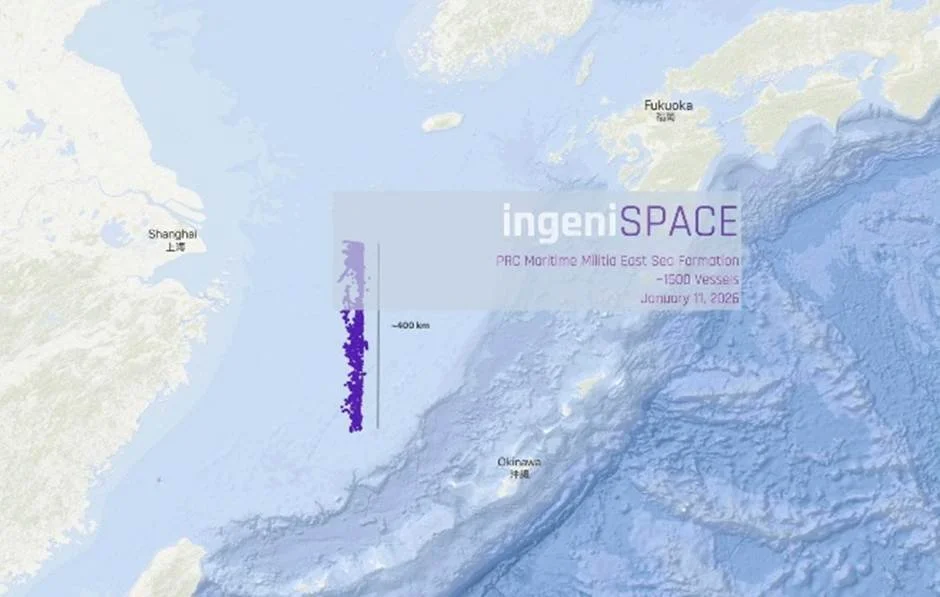
Another incident detected in early January involved around 1,000 Chinese fishing vessels clustered in an uneven rectangle, about 400 kilometres long, for more than a day in the same area of the East China Sea.

China appears set on militarizing another reef in the South China Sea
The geospatial firm ingeniSPACE first noticed the phenomenon, as 2,000 Chinese vessels created this formation from Dec. 25-27 in waters northeast of Taiwan.
This coordinated activity occurred just three days before China announced a major exercise circumscribing Taiwan. Dubbed Justice Mission-2025, the PLA exercise was designed to browbeat Taiwan and rehearse the implementation of a naval blockade.
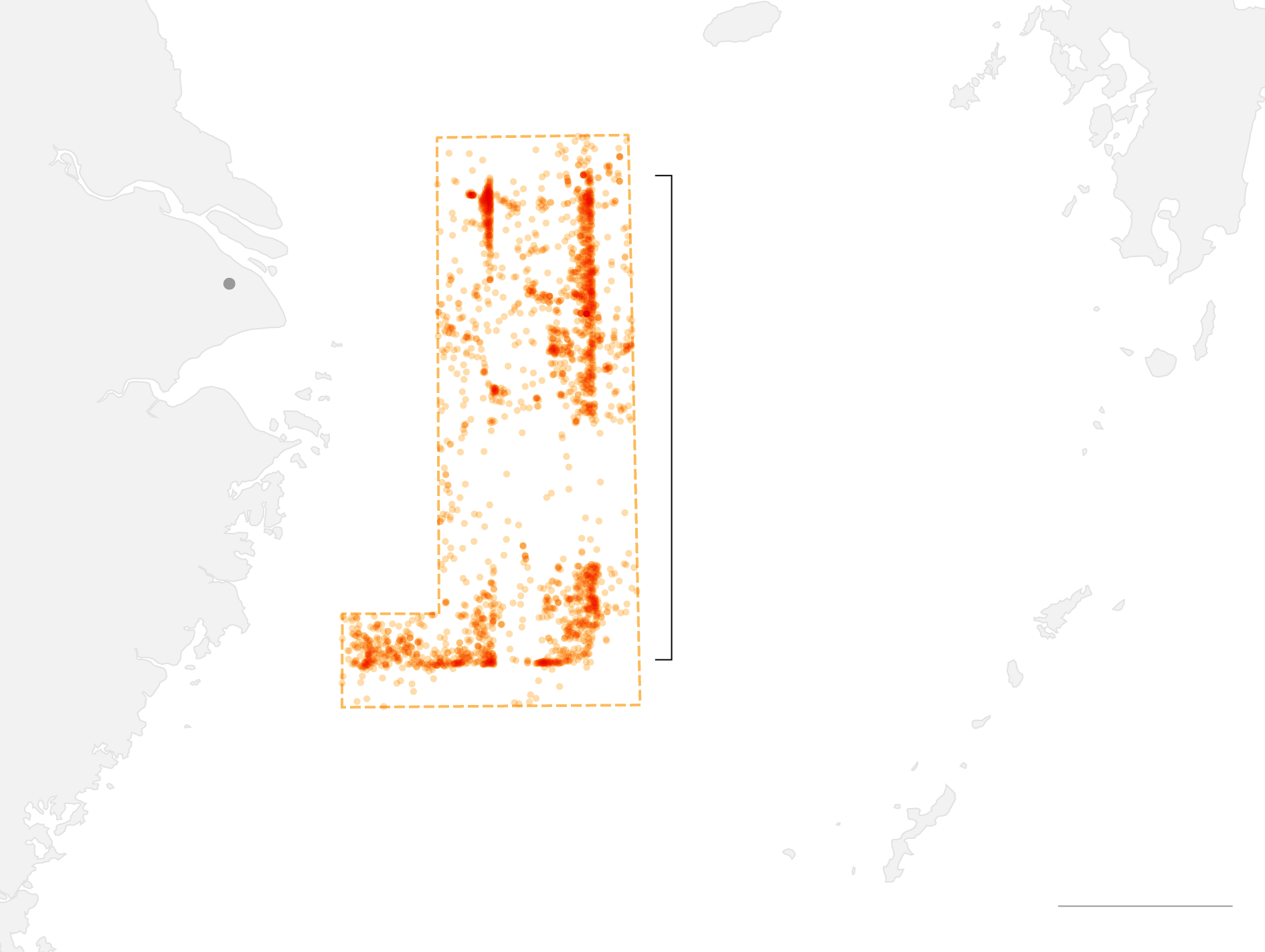
Something similar took place from Jan. 9-12, when some 1,400 Chinese fishing boats formed a 200-mile-long “barrier” for more than 30 hours, according to automatic identification system data.
Thousands of Chinese Fishing Boats Quietly Form Vast Sea Barriers
China quietly mobilized thousands of fishing boats twice in recent weeks to form massive floating barriers of at least 200 miles long, showing a new level of coordination that could give Beijing more ways to impose control in contested seas.
The two recent operations unfolded largely unnoticed. An analysis of ship-tracking data by The New York Times reveals the scale and complexity of the maneuvers for the first time.
Last week, about 1,400 Chinese vessels abruptly dropped their usual fishing activities or sailed out of their home ports and congregated in the East China Sea. By Jan. 11, they had assembled into a rectangle stretching more than 200 miles. The formation was so dense that some approaching cargo ships appeared to skirt around them or had to zigzag through, ship-tracking data showed.
Rigging the Game: PRC Oil Structures Encroach on Taiwan’s Pratas (Dongsha) Island
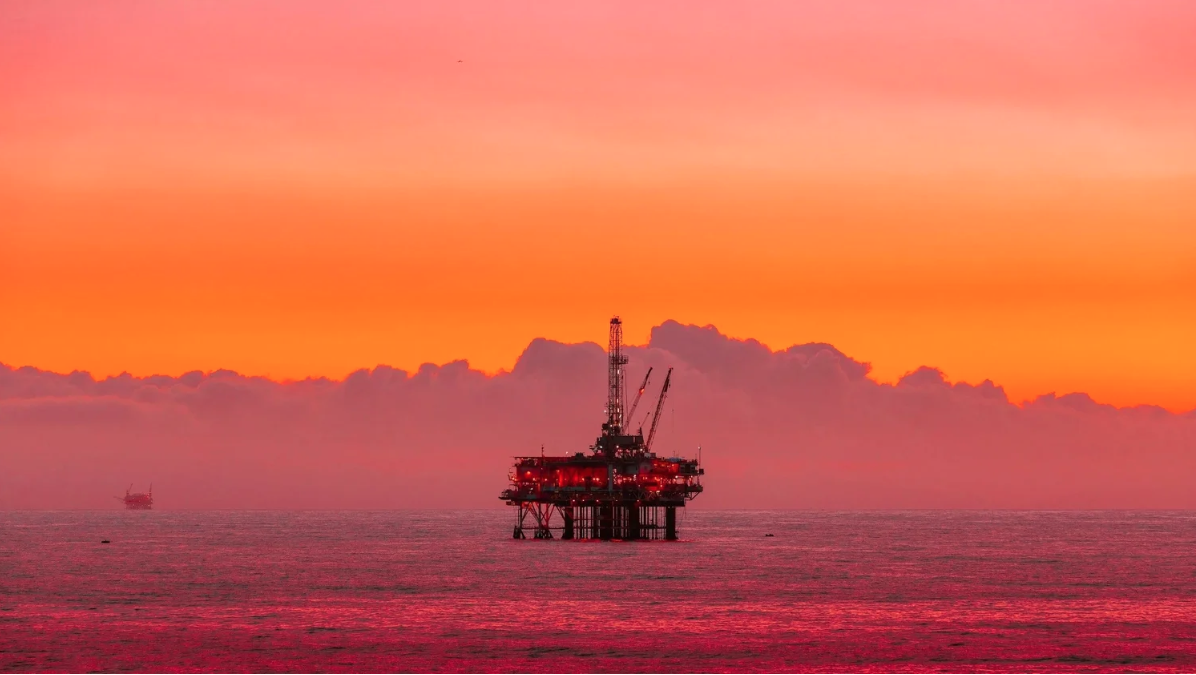
Beijing’s relentless pressure on Taiwan now includes oil rigs: twelve permanent or semi-permanent structures and dozens of associated ships. The structures, which are owned by state-owned firm CNOOC, include seven rig structures, three floating production storage and offloading (FPSO) vessels, and two semi-submersible oil platforms. All are located within Taiwan’s claimed exclusive economic zone (EEZ) near Pratas/Dongsha Island.


NYTIMES: China Surveys Seabeds Where Naval Rivals May One Day Clash
Surveying the Front Line of a Potential Conflict
Last February, a Chinese research ship named the Da Yang Hao sailed along Taiwan’s east coast, tracing a series of parallel lines over five days.
In the months that followed, five other Chinese research ships, including the Xiang Yang Hong 6, returned to the area, following similar routes. They often moved at slow speeds, typically 8 to 10 miles an hour, ideal for mapping undersea features using sonar and other techniques, a science known as bathymetry.
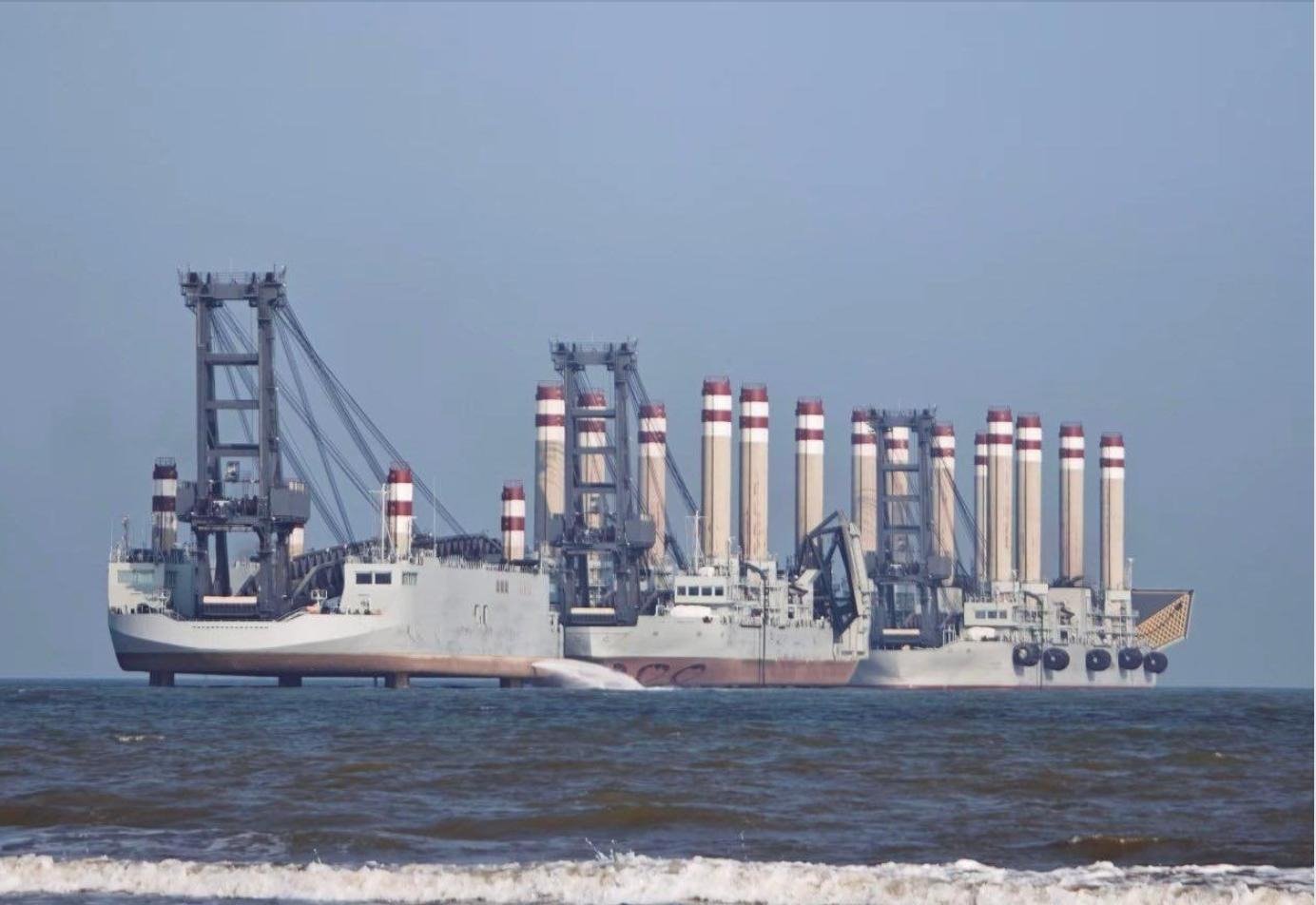
China has debuted its new landing barges
Just to their right, a line of strange looking ships loom in the mist. The enormous ships are unmoving, raised above the waves by thick pylons. Drop-down bridges connect them to each other, the front one extending down to the sand. Jason Wang, chief executive of Ingenispace, a geospatial analysis company, said the ships were a clear sign of China’s “creativity…They can produce the ships really fast – four to six months – and get them into theatre,” Wang said. “They can also iterate improvements faster than everybody else.”