

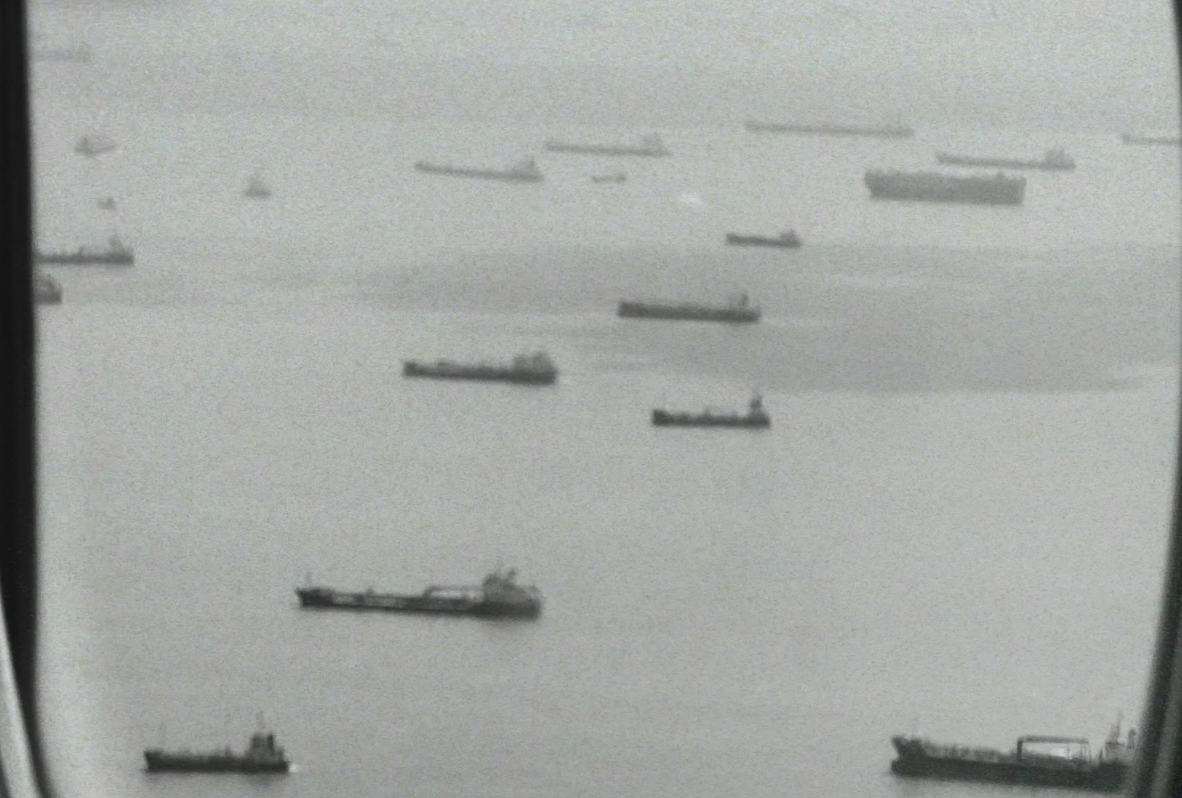
Thousands Of Chinese Boats Mass At Sea, Raising Questions
Thousands of Chinese fishing boats, massing in large formations that stand hundreds of KM in the East Sea. Fleets cluster where fish are; they do not hold angles.
Thousands of Chinese Fishing Boats Quietly Form Vast Sea Barriers
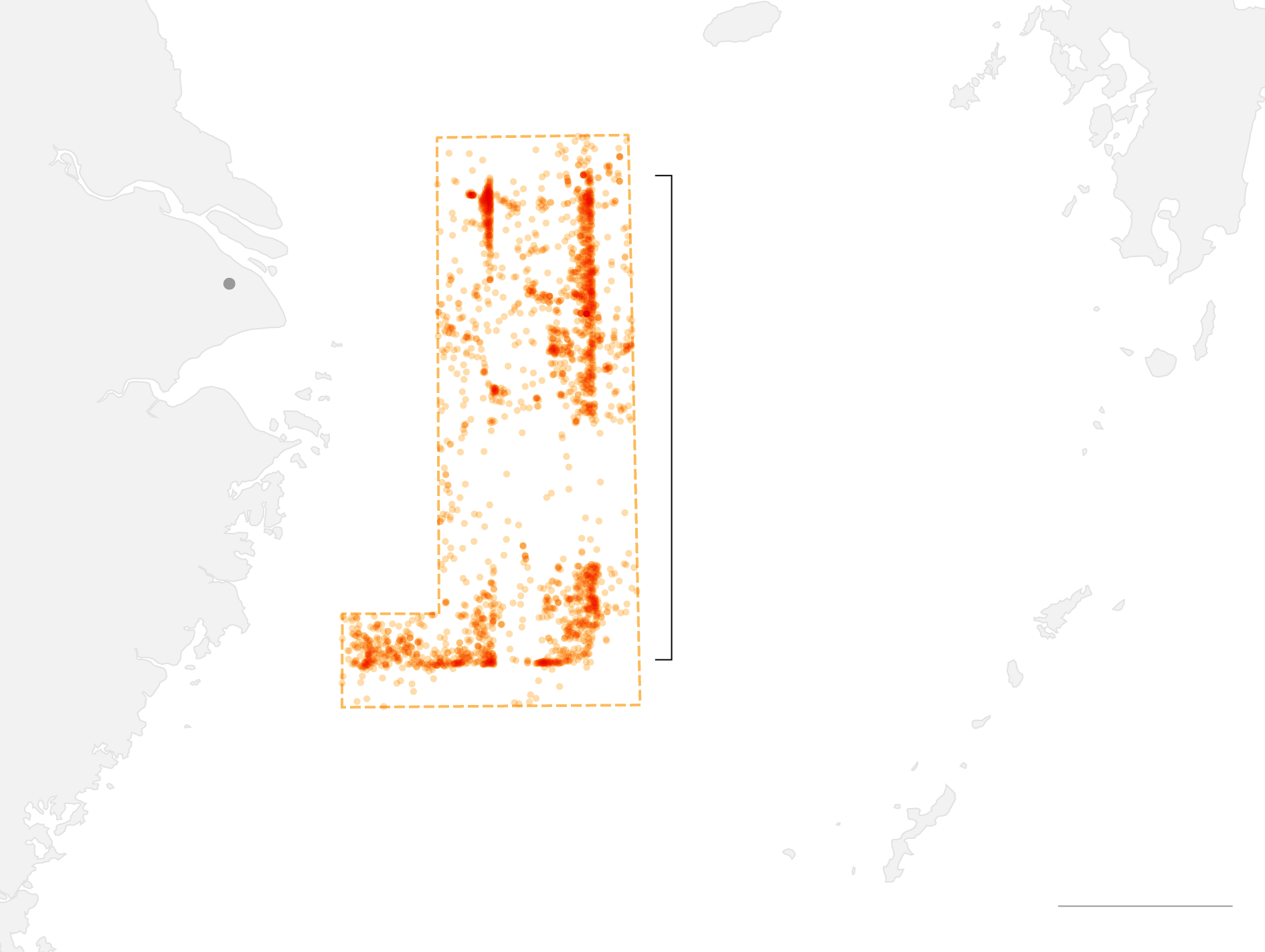
China quietly mobilized thousands of fishing boats twice in recent weeks to form massive floating barriers of at least 200 miles long, showing a new level of coordination that could give Beijing more ways to impose control in contested seas.
The two recent operations unfolded largely unnoticed. An analysis of ship-tracking data by The New York Times reveals the scale and complexity of the maneuvers for the first time.
Last week, about 1,400 Chinese vessels abruptly dropped their usual fishing activities or sailed out of their home ports and congregated in the East China Sea. By Jan. 11, they had assembled into a rectangle stretching more than 200 miles. The formation was so dense that some approaching cargo ships appeared to skirt around them or had to zigzag through, ship-tracking data showed.
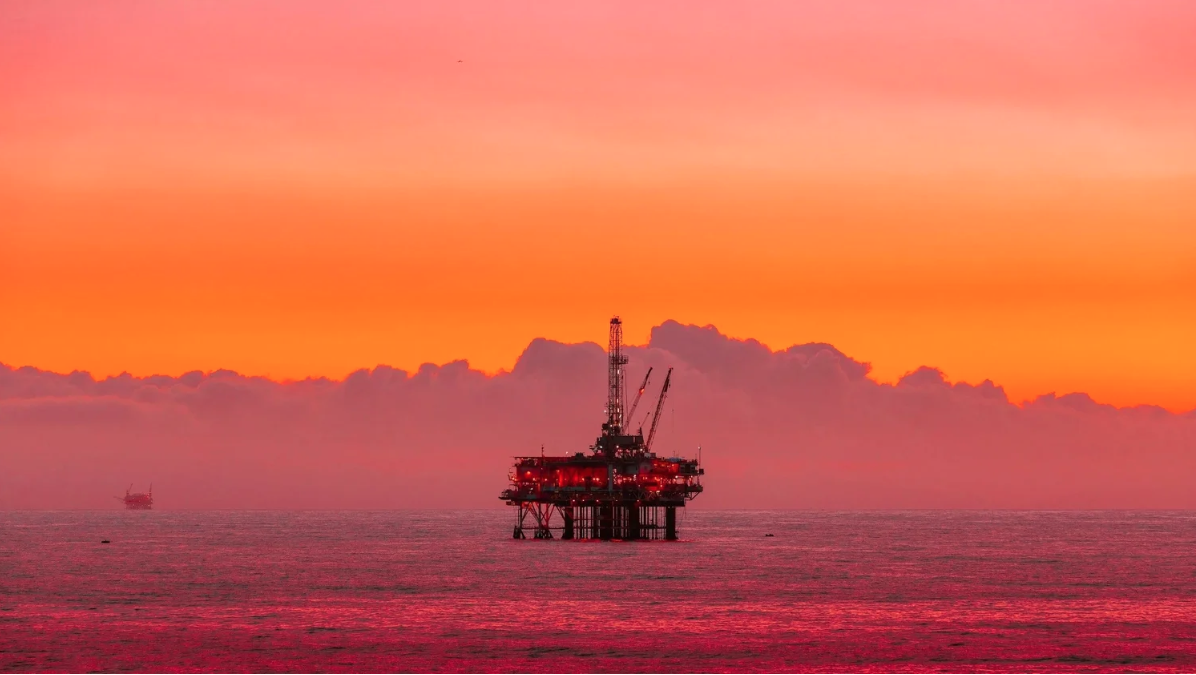
Rigging the Game: PRC Oil Structures Encroach on Taiwan’s Pratas (Dongsha) Island
Beijing’s relentless pressure on Taiwan now includes oil rigs: twelve permanent or semi-permanent structures and dozens of associated ships. The structures, which are owned by state-owned firm CNOOC, include seven rig structures, three floating production storage and offloading (FPSO) vessels, and two semi-submersible oil platforms. All are located within Taiwan’s claimed exclusive economic zone (EEZ) near Pratas/Dongsha Island.